
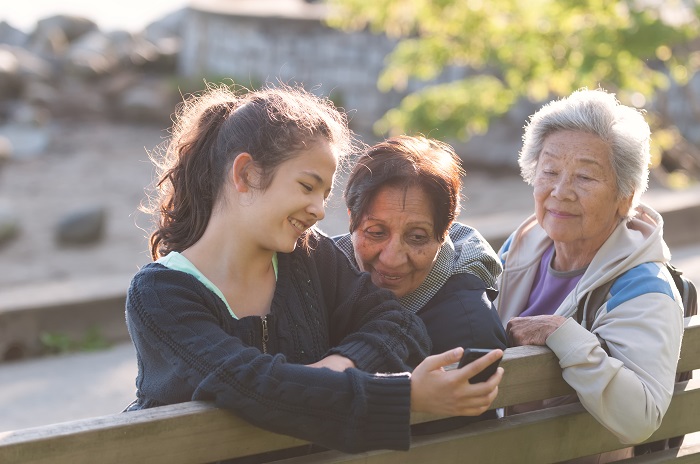
Women's mental health encompasses the unique psychological, emotional, and behavioral challenges that may disproportionately affect women throughout their lives. Recent research has led to pioneering treatments and exciting advances in women's mental health care, highlighting the importance of understanding both biological and social factors that influence women's well-being. While mental health concerns can affect anyone regardless of gender, women are more likely than men to experience certain conditions, with depression prevalence increasing overall from 2013-2014 to August 2021-August 2023.
Understanding women's mental health requires recognizing the complex interplay of biological, psychological, and social factors. These include hormonal changes across the lifespan, societal pressures, gender-based discrimination, and unique life experiences such as pregnancy and motherhood. It's essential to avoid making assumptions based solely on gender, as each person's identity is multifaceted and shaped by numerous intersecting factors.
Table of Contents
- Understanding the Prevalence of Mental Health Issues in Women
- Biological and Social Factors
- Common Mental Health Conditions
- Social and Cultural Considerations
- Intimate Partner Violence and Mental Health
- Pregnancy and Postpartum Mental Health
- New Treatment Advances
- Access to Care and Support
- Frequently Asked Questions
- How Therapy Can Help
Understanding the Prevalence of Mental Health Issues in Women

Recent data reveals significant gender differences in mental health prevalence. Depression prevalence was higher in females (16.0%) than in males (10.1%) overall and in every age group based on August 2021-August 2023 data. Furthermore, symptoms of both anxiety and depression were highest among adults ages 18–29 and decreased with age and were higher among women than men.
Women (15.3%) are more than twice as likely to take medication for depression than men (7.4%), according to recent national health surveys. This disparity extends beyond medication use, as a higher percentage of females (43%) than males (33.2%) with depression reported receiving therapy or counseling from a mental health professional in the past year.
Biological and Social Factors
Hormonal Influences
Women experience unique hormonal changes throughout their lives that can significantly impact mental health. Allopregnanolone, a metabolite of progesterone, peaks during pregnancy, especially during the third trimester, and levels abruptly decline after birth, which can have profound effects on the development of anxiety and depression during the postpartum period. These hormonal fluctuations occur during puberty, menstruation, pregnancy, postpartum, and menopause.

Brain Structure and Function
While historically it was believed that brain structures differed significantly between men and women, recent research has challenged these assumptions. Modern neuroimaging studies indicate that differences between males and females in mental health are complex, with 257 meta-analyses examining 11,038 studies with over 619 million participants, revealing that gender differences in mental health are influenced by multiple factors beyond brain structure alone.
Social Determinants
The prevalence of depression decreased with increasing family income from 22.1% in adolescents and adults with family income less than 100% of the federal poverty level to 7.4% in those with family income at or above 400% FPL. Additionally, CDC found higher rates of anxiety and depression among adults living in rural areas compared to urban areas between 2019 and 2022, highlighting the role of socioeconomic and geographic factors.
Common Mental Health Conditions
Depression
Overall, prevalence was highest in adolescents ages 12–19 (19.2%) and lowest in adults age 60 and older (8.7%). Among women specifically, depression decreased from 26.5% among those ages 12–19 to 10.6% among those age 60 and older. Depression symptoms can include:
- Persistent sad, anxious, or "empty" mood
- Loss of interest in activities once enjoyed
- Changes in appetite or weight
- Sleep disturbances
- Fatigue or loss of energy
- Difficulty concentrating
- Feelings of worthlessness or guilt
- Thoughts of death or suicide
Anxiety Disorders
Most recent 2024 data show 12% or 1 in 8 U.S. adults regularly reported feelings of worry, nervousness, and anxiety. A significant increase was seen in the percentage of adults with anxiety symptoms (from 15.6% to 18.2%) between 2019 and 2022. Women experience anxiety disorders at higher rates than men, including:
- Generalized anxiety disorder
- Panic disorder
- Specific phobias
- Social anxiety disorder
Postpartum Depression
Postpartum depression is depression that occurs after having a baby and is more intense and lasts longer than baby blues. A peripartum-onset major depressive episode is defined as PPD when it occurs during pregnancy or up to 4 weeks postpartum. Recent advances have led to FDA approval of two drugs, brexanolone and zuranolone, specifically for PPD.
Eating Disorders
Women are disproportionately affected by eating disorders, with clinical reporting rates showing significant gender disparities. These conditions often emerge during adolescence and young adulthood and include:
- Anorexia nervosa
- Bulimia nervosa
- Binge eating disorder
Post-Traumatic Stress Disorder (PTSD)
The average prevalence of mental disorders from 32 cross-sectional studies on women aged 12–75 years was 49%, average prevalence of anxiety was 68%, post-traumatic stress disorder was 52%, and depression was 43% in fragile and humanitarian settings, highlighting the impact of trauma on women's mental health.
Social and Cultural Considerations
Gender-Based Discrimination
Women continue to face systemic discrimination that impacts mental health:
- Workplace inequality: Pay gaps and underrepresentation in leadership positions
- Gender stereotyping: Societal expectations about women's roles and behaviors
- Sexual harassment: Workplace and public harassment affecting psychological well-being
Media Representations
The portrayal of women in media significantly influences self-image and mental health. Exposure to idealized body images has been linked to:
- Body image disturbances
- Low self-esteem
- Increased risk of eating disorders
- Comparison and inadequacy feelings
Intersectional Factors
Asian non-Hispanic adults were least likely to experience moderate and severe symptoms of anxiety and depression compared with the other race and Hispanic-origin groups examined. Mental health experiences vary significantly based on:
- Race and ethnicity
- Sexual orientation and gender identity
- Disability status
- Immigration status
- Religious and cultural background
Intimate Partner Violence and Mental Health
Prevalence and Impact
Worldwide, over a quarter (27%) of women aged 15–49 years who have been in a relationship report that they have been subjected to some form of physical and/or sexual violence by their intimate partner. The mental health consequences are severe, as IPV victims have an increased risk of anxiety, depression, posttraumatic stress disorder, self-harming behaviours and suicide compared to women without IPV victimisation experiences.
Types of Violence
IPV can include physical violence (hurting or trying to hurt a partner by using physical force), sexual violence (forcing or attempting to force a partner to take part in a sex act), stalking (a pattern of repeated, unwanted attention and contact), and psychological aggression (use of verbal and non-verbal communication with intent to harm).
Mental Health Outcomes
Country income levels explained significant heterogeneity in studies estimating the association between physical IPV in the past year and depression, with the highest pooled OR in upper-middle income countries (OR = 6.33). Women experiencing IPV face:
- Depression: 2-6 times higher risk depending on country income level
- PTSD: Significantly elevated rates following abuse
- Anxiety disorders: Increased prevalence and severity
- Substance use: Higher rates as a coping mechanism
- Suicidal ideation: Elevated risk of suicidal thoughts and attempts
Barriers to Care
Privacy concerns, fear, and intimidation are leading reasons why women experiencing IPV do not get care. Additionally, 14% of women who recently experienced IPV were not able to get medical or mental health care services related to IPV.
Pregnancy and Postpartum Mental Health
Prevalence of Perinatal Depression
Mental health challenges during pregnancy and the postpartum period are common. Results from a large clinical trial show that an intervention for anxiety provided to pregnant women significantly reduced the likelihood of developing moderate-to-severe anxiety, depression, or both six weeks after birth.
Risk Factors
Several factors increase the risk of perinatal mental health issues:
- History of mental health conditions
- Lack of social support
- Financial stress
- Relationship difficulties
- Pregnancy complications
- Unplanned pregnancy
Innovative Treatment Approaches
Neurosteroid Therapeutics
New evidence demonstrates that brexanolone inhibits inflammatory signaling post-infusion, and new directions include the development of oral zuranolone and IV and oral formulations of ganaxolone. These represent significant advances:
1. Brexanolone: A 60-hour IV infusion that was the first drug approved for postpartum depression in 2019
2. Zuranolone: FDA approved in August 2023 as the first oral medication indicated to treat PPD in adults
- Administered orally once daily for 14 days
- Demonstrates improvement in depressive symptoms in as soon as 3 days
- Exhibits sustained effects for up to two weeks after discontinuation and significantly higher rates of remission compared to traditional therapies
Screening and Prevention
About 1 in 5 pregnant women were not asked about symptoms of depression during a prenatal visit, and about 1 in 8 women were not asked during a postpartum visit. Healthcare providers are encouraged to:
- Screen all pregnant and postpartum women for depression
- Provide education about perinatal mental health
- Connect women with appropriate resources
- Consider preventive interventions for high-risk individuals
Access to Care and Support
Treatment Utilization
Most recent 2024 data show 14% or 1 in 7 U.S. adults received counseling or therapy from a mental health professional in the last 12 months. The percentage was higher in 2024 than it was in 2023. However, significant barriers remain:
- Cost: Primary barrier for many seeking mental health care
- Availability: Shortage of mental health providers in many areas
- Stigma: Stigma may drive negative attitudes and beliefs surrounding mental health, which can affect seeking treatment
- Cultural factors: Language barriers and culturally inappropriate services
Digital and Remote Interventions
During and after the pandemic, the user population for social media applications grew significantly, as did social-media-based mental health interventions, with meta-analysis showing effectiveness for reducing mental health challenges. Despite necessary fast development due to increased need for remote interventions during COVID-19, results are promising, with all studies observing positive effects on targeted outcomes.
Integrated Care Models
Modern approaches emphasize integrating mental health care into:
- Primary care settings
- Obstetric and gynecologic practices
- Community health centers
- School-based health programs
Frequently Asked Questions
Are mental health conditions more common in women than men?
Yes, certain conditions show gender differences. Depression prevalence was higher in females (16.0%) than in males (10.1%) overall, and women are more than twice as likely to take medication for depression than men. However, men may underreport symptoms due to stigma.
How do hormones affect women's mental health?
Hormonal fluctuations throughout women's lives can significantly impact mood and mental health. Allopregnanolone peaks during the third trimester of pregnancy and drops sharply post-delivery, which has been associated with PPD. Hormonal changes during menstruation, pregnancy, postpartum, and menopause can all influence mental health.
What are the newest treatments for postpartum depression?
Only two drugs, brexanolone and zuranolone, have been approved by the FDA specifically for PPD. Zuranolone marks a significant advancement as the first oral medication, demonstrating improvement in depressive symptoms in as soon as 3 days.
How does intimate partner violence affect mental health?
IPV significantly increases the risk of anxiety, depression, PTSD, self-harming behaviors, and suicide. 14% of women who experienced IPV in the past five years were not able to get needed mental health care services.
Are online mental health interventions effective?
Yes, meta-analyses show social-media-based and online mental health interventions are effective, with all studies showing positive effects on targeted outcomes. These interventions have become increasingly important for improving access to care.
What should I look for in a mental health provider?
Look for providers who:
- Have experience with women's mental health issues
- Use evidence-based treatments
- Are culturally competent
- Make you feel comfortable and respected
- Consider both biological and social factors in treatment
How Therapy Can Help
Mental health treatment can provide significant benefits for women facing various challenges. Therapy offers a safe, confidential space to:
- Process difficult emotions and experiences
- Develop healthy coping strategies
- Address relationship and family issues
- Work through trauma and past experiences
- Build self-esteem and assertiveness
- Navigate life transitions
- Manage symptoms of mental health conditions
Evidence-based therapeutic approaches that have shown effectiveness for women include:
- Cognitive Behavioral Therapy (CBT): Helps identify and change negative thought patterns
- Interpersonal Therapy (IPT): Focuses on improving relationships and communication
- Dialectical Behavior Therapy (DBT): Teaches emotion regulation and distress tolerance skills
- Trauma-focused therapies: Address the impact of past traumatic experiences
- Mindfulness-based approaches: Reduce stress and increase present-moment awareness
Find a Therapist
If you're struggling with mental health concerns, professional help is available. GoodTherapy's directory can connect you with qualified mental health professionals who specialize in women's issues. Many therapists offer:
- In-person and teletherapy options
- Sliding scale fees
- Specialized training in women's mental health
- Culturally sensitive approaches
- Evidence-based treatments
Don't wait to seek help. Mental health conditions are treatable, and with proper support, recovery is possible. Search our directory today to find a therapist who can support your journey toward better mental health.
References:
- American College of Obstetricians and Gynecologists. (2023). Practice Advisory: Zuranolone for the treatment of postpartum depression. https://www.acog.org/clinical/clinical-guidance/practice-advisory/articles/2023/08/zuranolone-for-the-treatment-of-postpartum-depression
- American Psychiatric Association. (2024). Intimate partner violence toolkit. https://www.psychiatry.org/psychiatrists/diversity/education/intimate-partner-violence
- Berglund, M., Santcliments, J. R., Sourander, A., & Lahti, M. (2024). The effectiveness of psychosocial, psychological, and psychoeducational interventions for women to reduce perinatal depression in low- and middle-income countries: A systematic review and meta-analysis protocol. Journal of Community Medicine and Public Health, 8, 470. https://doi.org/10.29011/2577-2228.100470
- Centers for Disease Control and Prevention. (2024). Depression among women. https://www.cdc.gov/reproductive-health/depression/index.html
- Centers for Disease Control and Prevention. (2025). Depression prevalence in adolescents and adults: NCHS Data Brief No. 527. https://www.cdc.gov/nchs/products/databriefs/db527.htm
- Centers for Disease Control and Prevention. (2026). About intimate partner violence. https://www.cdc.gov/intimate-partner-violence/about/index.html
- Centers for Disease Control and Prevention. (2026). Mental health conditions & care. https://www.cdc.gov/mental-health/about-data/conditions-care.html
- Clayton, A. H., Lasser, R., Nandy, I., Sankoh, A. J., Jonas, J., & Kanes, S. J. (2023). Zuranolone in major depressive disorder: Results from MOUNTAIN—A Phase 3, multicenter, double-blind, randomized, placebo-controlled trial. Journal of Clinical Psychiatry, 84, 22m14445.
- Deligiannidis, K. M., Meltzer-Brody, S., Maximos, B., Peeper, E. Q., Freeman, M., Lasser, R., et al. (2023). Zuranolone for the treatment of postpartum depression. American Journal of Psychiatry. https://doi.org/10.1176/appi.ajp.2023.21121207
- Dhollande, S., Sapkota, D., Meyer, S., Clarke, K.-A., & Atiénzar-Prieto, M. (2025). Exploring emergency healthcare for women experiencing intimate partner violence with comorbid psychological distress. International Journal of Mental Health Nursing, 34, e70050. https://doi.org/10.1111/inm.70050
- El Husseiny, J., Farran, S. H., El Sheikh, W. G., Yehya, Y., El Hayek, S., El Husseiny, H., et al. (2024). A systematic review of mental health of women in fragile and humanitarian settings of the Eastern Mediterranean Region. Eastern Mediterranean Health Journal, 30(5), 369-379.
- Fischer-Grote, L., Fössing, V., Aigner, M., Fehrmann, E., & Boeckle, M. (2024). Effectiveness of online and remote interventions for mental health in children, adolescents, and young adults after the onset of the COVID-19 pandemic: Systematic review and meta-analysis. JMIR Mental Health, 11, e46637. https://doi.org/10.2196/46637
- Guzowski, M., Świątkowska-Freund, M., Preis, Z., Preis, K., & Frankiewicz, A. (2023). Depression in polycystic ovary syndrome: A systematic review and meta-analysis. Journal of Clinical Medicine, 12(20), 6446. https://doi.org/10.3390/jcm12206446
- Meltzer-Brody, S., Colquhoun, H., Riesenberg, R., Epperson, C. N., Deligiannidis, K. M., Rubinow, D. R.,... & Kanes, S. (2023). Novel neurosteroid therapeutics for post-partum depression: Perspectives on clinical trials, program development, active research, and future directions. Neuropsychopharmacology, 48, 197-208. https://doi.org/10.1038/s41386-023-01721-1
- National Institute of Mental Health. (2024). Women and mental health. https://www.nimh.nih.gov/health/topics/women-and-mental-health
- Pimenta, A. M., Lahortiga-Ramos, F., Sayon-Orea, C., Martínez-González, M. A., & Sánchez-Villegas, A. (2024). Exploring the clinical potentials of zuranolone in managing postpartum depression: A new therapeutic horizon. Journal of Psychiatric Research, 173, 174-182.
- Schuchmann, J., & Meyer, T. (2025). Social-media-based mental health interventions: Meta-analysis of randomized controlled trials. Journal of Medical Internet Research, 27(1), e67953. https://doi.org/10.2196/67953
- Sonmez, D., & Hocaoglu, C. (2024). Current developments in the treatment of postpartum depression: Zuranolone. Eurasian Journal of Medicine, 56(3), 199-204. https://doi.org/10.5152/eurasianjmed.2024.24409
- Substance Abuse and Mental Health Services Administration. (2025). Key substance use and mental health indicators in the United States: Results from the 2024 National Survey on Drug Use and Health. https://www.samhsa.gov/data/sites/default/files/reports/rpt56287/2024-nsduh-annual-national/2024-nsduh-annual-national-html-071425-edited/2024-nsduh-annual-national.htm
- Trevillion, K., Oram, S., Feder, G., & Howard, L. M. (2024). National Health Statistics Reports Number 213: Anxiety and depression symptoms by age and gender. National Center for Health Statistics.
- White, S. J., Sin, J., Sweeney, A., Salisbury, T., Wahlich, C., Montesinos Guevara, C. M.,... & Mantovani, N. (2024). Global prevalence and mental health outcomes of intimate partner violence among women: A systematic review and meta-analysis. Trauma, Violence, & Abuse, 25(1), 494-511. https://doi.org/10.1177/15248380231155529
- Zhang Kudon, H., Zhu, S., Chen, B., Breiding, M. J., Leemis, R. W., Zhang, X., Schwank, A., & Basile, K. C. (2026). The National Intimate Partner and Sexual Violence Survey: 2023/2024 Data Brief – Intimate Partner Violence. Centers for Disease Control and Prevention.

